
PRODUCTS’ END-OF-LIFE: CLOSING THE CIRCLE
How repair and recycling complete the circular journey
From alpine expeditions to everyday wear, the choice of fiber is never trivial. It affects comfort, durability, and performance, but also determines the environmental footprint of our clothing and gear. Increasingly, the debate is framed around synthetic vs natural fibers, which performs better, and which is more sustainable? The truth is nuanced. Each fiber, whether down, wool, or polyester, brings its own strengths and weaknesses. What matters just as much as performance, however, is what happens at the end of a product’s life. Let’s take a closer look.
Repair: The first act of circularity
Repair is not just about fixing zippers and patching sleeves, it’s becoming a key pillar of circular design. Extending a product’s life is one of the most effective ways to reduce its environmental footprint, but it also brings strong brand and business benefits. Repair programs build trust, strengthen loyalty, and demonstrate that a brand stands by its products for the long run.
Across the outdoor industry, repair has moved from niche service to mainstream commitment. Brands like Patagonia, Mountain Equipment, Bergans of Norway, and The Renewal Workshop (Bleckmann, U.S.) have invested in professional repair systems,
creating both environmental and reputational value. Even major fashion players like Zara are entering the field, signalling that repair is no longer limited to outdoor gear.
Patagonia
Gear for a Good Time and a Long Time, Worn Wear
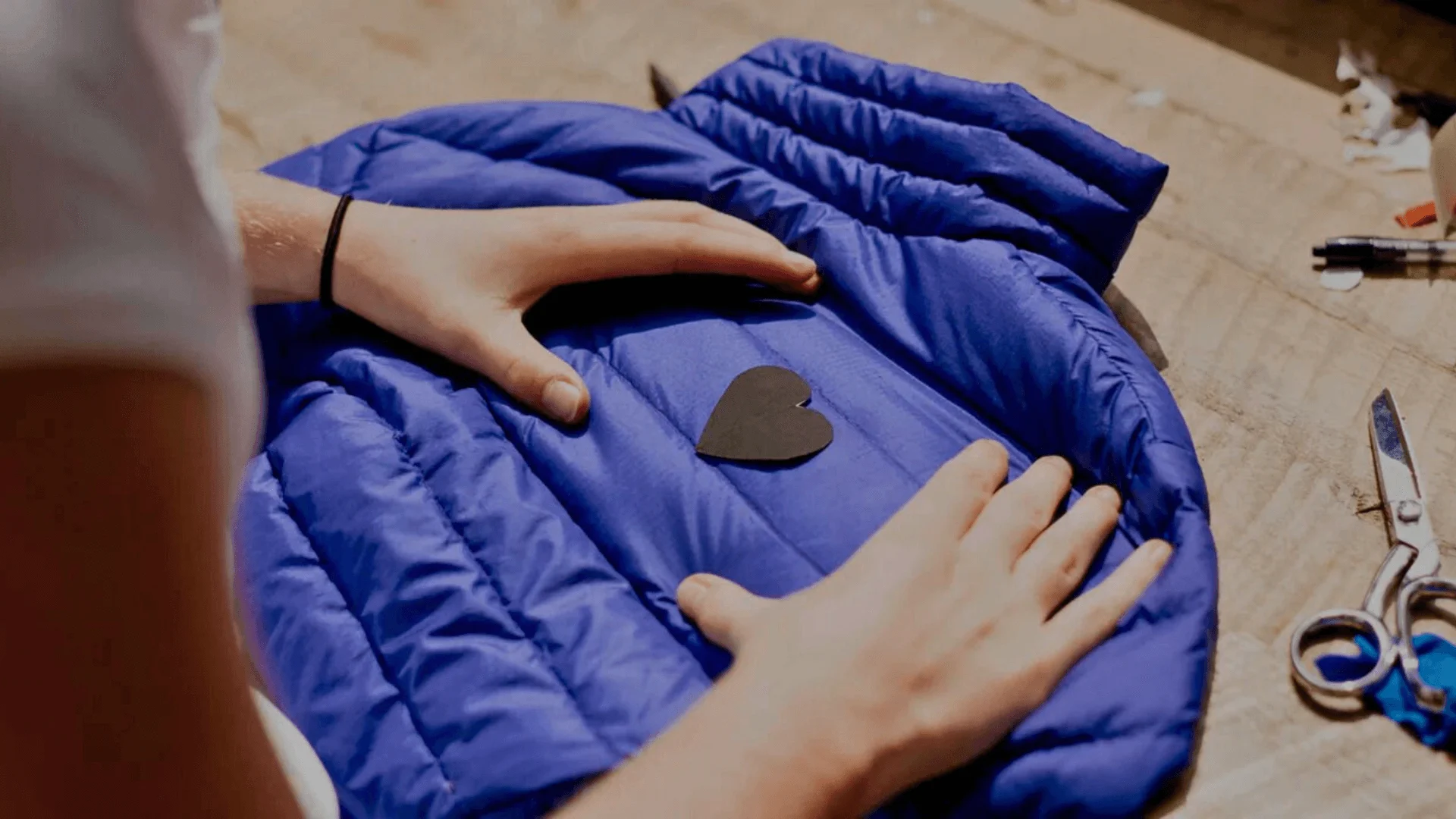
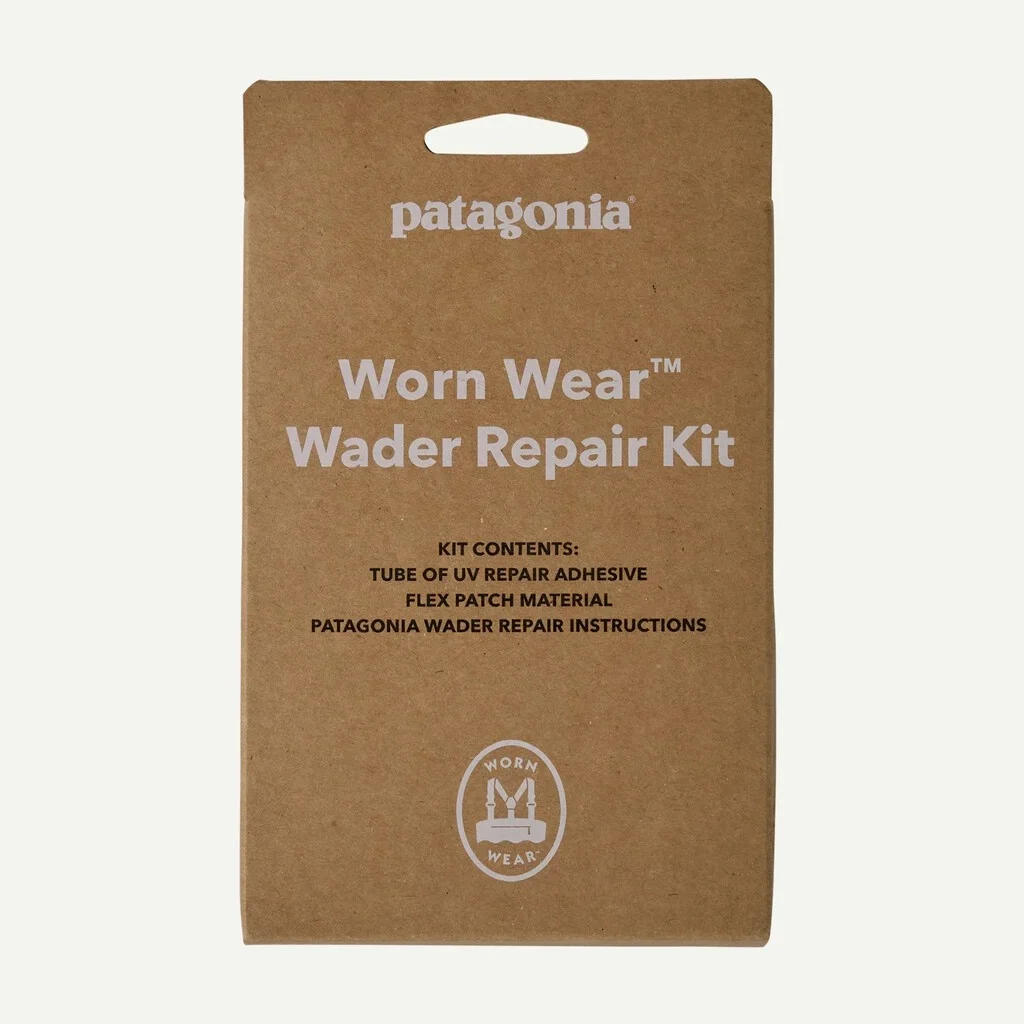
Patagonia’s Worn Wear program is now one of the most recognised examples of product longevity in action. The company repaired over 583 000 items worldwide and, in 2024 alone, handled 30 000 garment repairs in Europe and over 2 400 during local Worn Wear events (source: Patagonia I Love Ski, March 2025). The company notes that its repair initiative has helped “keep more than half a million items out of landfills.”
While repairs are not the largest source of revenue (the Worn Wear resale and repair business was valued around US $5 million in early reports), Patagonia’s customer loyalty metrics tell another story. According to Customer Experience Dive (2023), the program “has helped Patagonia build trust with its customers”, showing authenticity and deepening advocacy without relying solely on new product sales. Repair has become part of Patagonia’s brand DNA, reinforcing its leadership in circularity.
Bergans of Norway
‘Systua’ Workshop: Long live the product!
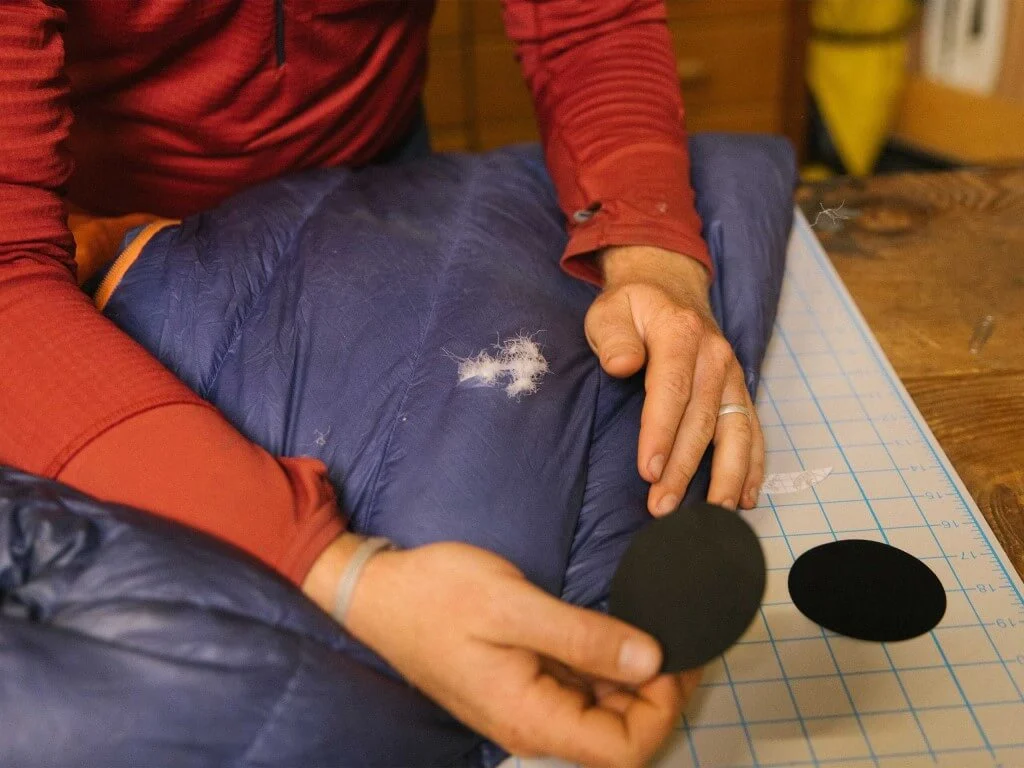
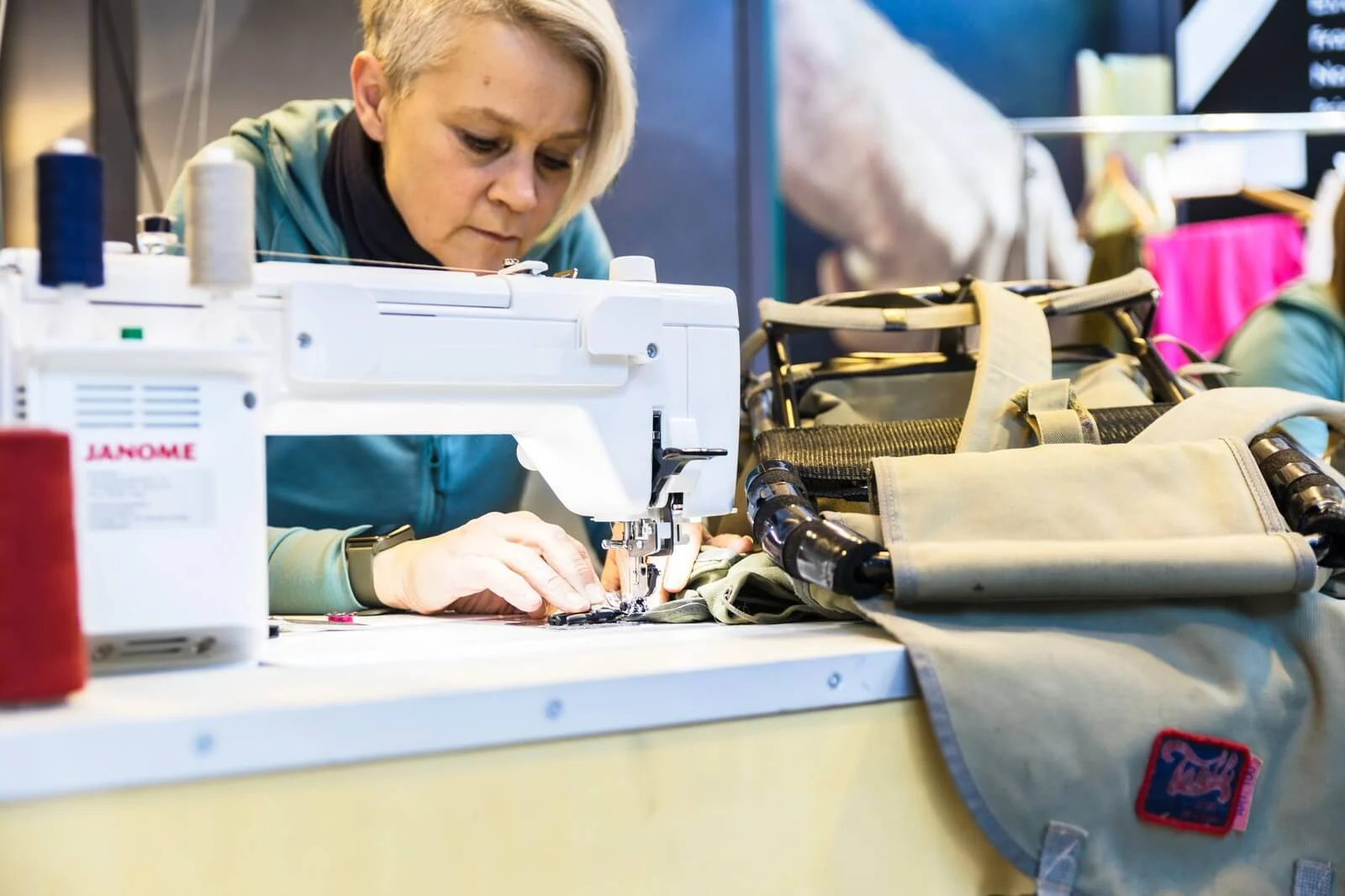
In Norway, Bergans runs its own repair workshop, “Systua,” which handles everything from zippers and rips to sleeping bag tears. The company states clearly: “The longer hiking clothing and equipment are in use, the smaller the total climate footprint becomes” (source: Bergans.com).
Bergans also treats repair as an entry point to wider circular services such as rental and reuse. Together with retailer Sport 1, the brand launched a service deal on its Rabot collection; including washing, impregnation, and repair, to make circular care visible at the point of sale.
Profit from repairs alone remains limited, as Bergans acknowledges, but the returns come in brand perception, consumer loyalty, and measurable reductions in product turnover. Repair data also feed directly into product design: identifying weak points helps engineers improve durability and reduce future failures.
Mountain Equipment :
Repair, Extend, Reuse
Mountain Equipment, a long-standing Re:Down® partner, integrates repair directly into its sustainability philosophy. Its “Wash & Repair Workshop” lets customers send jackets, sleeping bags, and other gear for professional inspection,
cleaning, and repair. The process « purchase, ship, repair, return » is efficient, transparent, and designed to extend the product’s lifetime by years (source: Mountain Equipment UK).
Importantly, Mountain Equipment also repairs products insulated with Re:Down® recycled down. A torn jacket filled with recycled down is repaired, not discarded, proving that circularity is not only about what happens after use, but also
about maintaining materials already given a second life.
This service embodies the brand’s message: “Keeping it on your back and out of landfill for many more adventures.” The environmental benefit is matched by commercial logic : each repair keeps the customer engaged, reinforces confidence in product quality, and creates new opportunities for brand communication without pushing for new consumption
Source : https://www.patagonia.com/repairs/
The Renewal Workshop
by Bleckmann, U.S
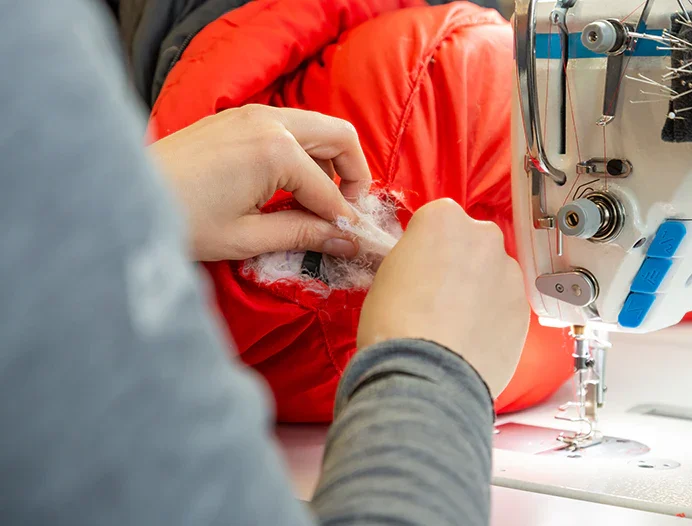
Acquired by Bleckmann in 2022, The Renewal Workshop offers large-scale repair and renewal services for apparel brands in the U.S. and Europe. Its platform processes and resells repaired or refurbished items under the brands’ own labels, effectively turning waste stock into renewed inventory. For example, brands partnering with The Renewal Workshop have reported that 82% of apparel items previously deemed unsellable were recovered and returned to market (source: Bleckmann Circular Solutions).
This industrial repair approach demonstrates how circularity can scale, providing brands with measurable reductions in waste, new revenue from resale, and a credible sustainability story backed by traceable data.
How repair benefits brands
Repair might not be a high-margin business on its own, but its ripple effects are powerful:
Ultimately, the value of repair lies as much in perception as in performance. It signals that a brand designs for durability, a quality that increasingly defines the modern premium outdoor market.
Recycling: The second life of materials
When a product finally reaches the end of its useful life, repair is no longer enough. That is where Re:Down® takes over : recovering down and feathers from post-consumer goods and transforming them into high-quality recycled insulation.
Through its advanced recycling system, Re:Down collects used down products: jackets, sleeping bags, duvets, and reprocesses them through a multi-step system: sorting, sterilisation, and reconditioning. The resulting insulation performs like new, meeting the same standards of cleanliness, performance, and comfort as virgin down.
This system allows brands to design full-circle product strategies, from design and repair to recovery and reuse. Each stage complements the other, ensuring valuable natural materials never go to waste.
Strengthening the loop through innovation
Circularity is only as strong as its weakest link. To reinforce its recycling chain, Re:Down® partners with specialists in traceability and process innovation. Together, they are building new digital tools to track materials from collection to output, ensuring total transparency and improving process efficiency.
These partnerships bridge the transition from the repair stage to the recycling stage, ensuring that once a product can no longer be fixed, it enters a controlled system where its materials are recovered, verified, and reused responsibly.
Closing the circle
True circularity depends on collaboration between : brands that repair, partners that recycle, and consumers who care for what they own. Repair extends life; recycling renews it. By connecting these stages, Re:Down® helps ensure that no down or feather is ever wasted, turning end-of-life into a new beginning, and making circularity not just a promise, but a practice.
Re:Down® is giving materials a second life, and helping brands close the loop from repair to recycling.
Posted on 12月 11, 2025